
Infrastructure Risk & Governance Advisory
The rising incidents of project failure and delays due to external community related unrest was generally prevalent in public sector, and now the private sector is feeling the pinch of this phenomenon. The “construction mafia” has become a reality, wherein individuals extort and make unreasonable demands during construction and infrastructure projects.
The public sector is well prepared for this, as there are proven processes and standards that can be put in place to ensure delivery and successful project completion; within the the 3 (three) parameters of time, cost and quality.
The private sector is not immune to this risk, and through working in communities fueled by the growing unemployment rates; private sector contractors and funders alike find now themselves unable to meet their obligations due to disruptions, rising costs and safety concerns. Had these considerations been planned for at time of tender, or managed better during implementation, the projects could have been completed on time and within budget.
Zwelisha Group is positioning itself as necessary to bridging the gap between funders, developers, and communities to enable high-impact infrastructure delivery, while managing social risk, compliance, and BBBEE outcomes.
types of risks in infrastructure Development
Financial Risks
Financial risks involve potential losses due to budget overruns or funding shortfalls affecting project viability.
Operational Risks
Operational risks arise from inadequate internal processes, resources, or systems that can disrupt project execution.
Environmental Risks
Environmental risks pertain to the impact of construction on ecosystems and compliance with regulations to mitigate harm.
Political Risks
Political risks stem from changes in government policies or instability that may affect project funding or permits.
Social Risks
Social risks refer to the impact that communities, stakeholders and communities and society as a whole have on decisions and activities.
These include socio-economic and geo-political factors
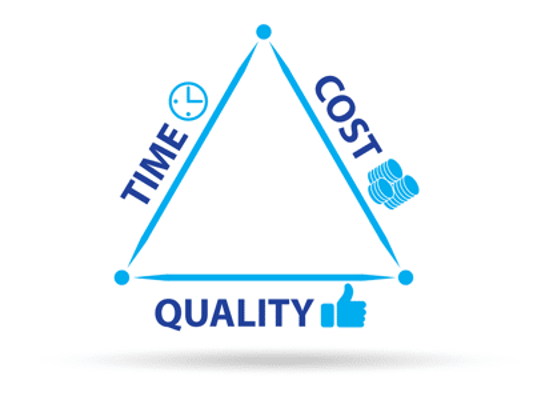

Consequences of Unmanaged Infrastructure Risks
Project Delays
Unmanaged infrastructure risks can cause significant delays in project timelines, resulting in missed deadlines and inability to provide a service, eg; missing the opening date for a hospital.
Cost Overruns
Failure to address infrastructure risks often leads to unexpected expenses, pushing project budgets beyond their limits and affecting profitability.
Impact on Trust
Unmanaged risks can severely damage stakeholder trust and investor confidence, leading to long-term repercussions for future projects.
Key Risk Factors Affecting Private Sector Initiatives
Market Fluctuations
Market fluctuations can significantly impact private sector initiatives, affecting investment, supply and demand, and operational decisions.
Regulatory Changes
Regulatory changes can introduce new compliance requirements that may affect the viability of private sector projects.
Resource Availability
Resource availability, including labor and materials, is crucial for the success of private sector initiatives.
Illegal work stoppages and community disruptions
Lost down-time due to reaching deadlock with communities, coupled with safety and security concerns, escalating projects costs and delays


Principles of Effective Governance in Infrastructure
The AST-Accountability, Stakeholder Engagement, Transparency
Accountability
Accountability ensures that those involved in infrastructure projects are responsible for their actions and decisions. This includes making sure all parties understand what is expected to be achieved, holding everyone to a realistic standard with controls in place to ensure does is expected.
Stakeholder Engagement
Meaningful stakeholders throughout the project lifecycle is crucial for successful governance and project outcomes. Engagements need to be best suited to the project, and cannot be a one size fits all approach, and allow for two-way communication.
Transparency in Decision-Making
Transparency in governance allows for reasonable open access to relevant information, enabling informed decision-making, and fostering trust between parties.
Best Practices for Governance Structures
Clear Roles and Responsibilities
Defining clear roles and responsibilities is crucial for effective governance and ensures accountability in project management.
Monitoring and Evaluation Processes
Implementing structured monitoring and evaluation processes helps track progress and assess the effectiveness of governance strategies.
Enhancing Project Outcomes
Best practices in governance directly contribute to improved project outcomes and stakeholder satisfaction, leading to successful implementations.
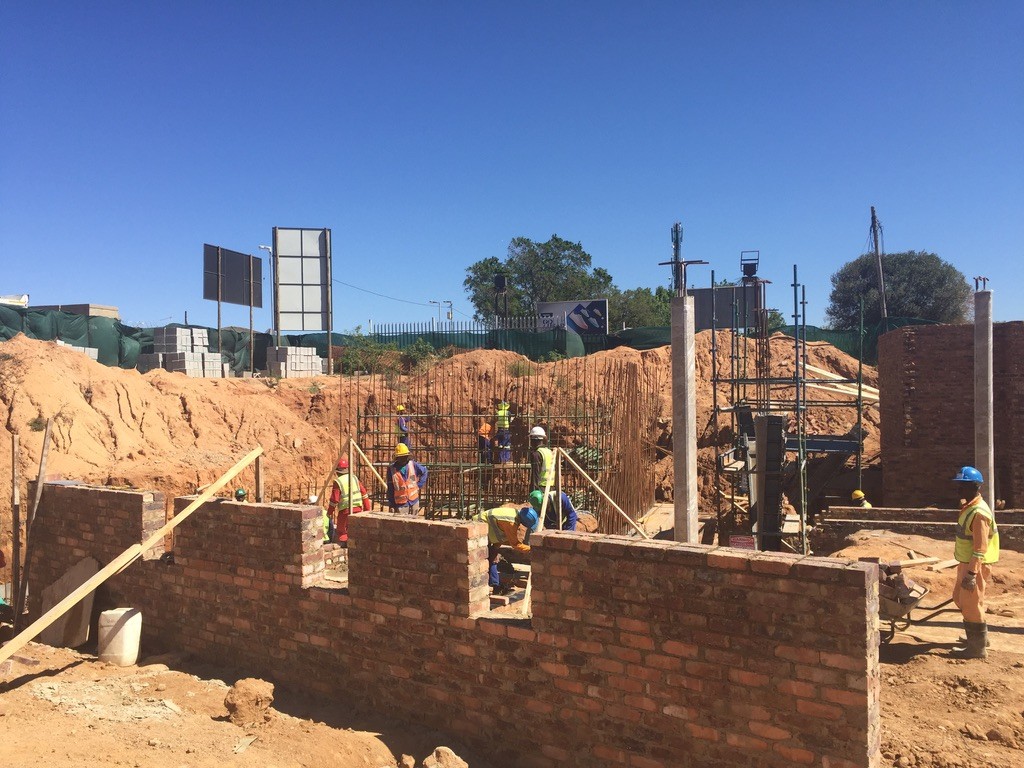

Compliance and Regulatory Considerations
Importance of Compliance
Compliance with regulations is crucial for the successful execution of infrastructure projects, ensuring legality and safety.
Apart from the standard OHS considerations such as the OHS Act 1973 and Construction Regulations 2025, developers and funders must consider the Broad Based Black Economic Empowerment Act 2013 and the possible expectations emanating from it.
Mitigating Legal Risks
Understanding regulatory considerations helps in identifying and mitigating potential legal risks associated with projects.
Local and International Regulations
Familiarity with both local and international regulations is vital for project planning and implementation.
Our Offering: Approach and MethodologiesStrategies
Comprehensive Risk Assessment
We implement thorough risk assessment procedures to pinpoint potential issues at an early stage, ensuring proactive management.
Mitigation Strategies Development
Our team formulates effective mitigation strategies tailored to address identified risks, promoting successful project outcomes.
These include;
- Stakeholder mapping and identification
- Public participation
- Reporting
- Close out reporting


Establishing Governance Frameworks and Policies
Governance Frameworks
We help clients create governance frameworks that fit industry best practices and ensure compliance with regulations.
Regulatory Compliance
Our services ensure that governance policies meet regulatory requirements, promoting accountability and integrity in projects.
Project Integrity
Establishing strong governance policies ensures project integrity, enhancing stakeholders’ trust and accountability.
Stakeholder Engagement and Communication
Importance of Engagement
Effective stakeholder engagement is crucial for the success of any project, fostering collaboration and support.
Communication Strategies
Implementing robust communication strategies ensures stakeholders are informed, involved, and aligned with project goals.
Collaboration Techniques
Utilising collaborative techniques can enhance relationships and drive successful outcomes through shared understanding.


Benefits of Infrastructure Risk and Governance Advisory
Early Risk Identification
Identifying risks early in the project lifecycle is crucial for minimizing potential failures and losses.
Proactive Risk Management
Proactively addressing risks can lead to more effective project execution and better financial outcomes.
Smoother Project Execution
By managing risks effectively, projects can be executed more smoothly, resulting in successful completion and reduced financial impact.
Improved Budgeting and Forecasting
Providing for costs related to risk and governance upfront provides a realistic view of profitability and cashflow forecasting, reducing unexpected cost overruns.
Enhancing Decision-Making and Accountability
Improving Decision-Making
Our advisory services are designed to enhance the decision-making process, ensuring informed and effective choices are made.
Establishing Accountability
We focus on establishing clear accountability within projects, encouraging ownership and responsibility among team members.
Fostering a Culture of Excellence
Our approach fosters a culture of responsibility and excellence, driving teams to achieve higher standards in project management.


Building Investor and Stakeholder Confidence
Risk Management Strategies
Implementing effective risk management strategies is crucial for reducing uncertainties and building trust with investors.
Governance Practices
Strong governance practices enhance transparency and accountability, fostering confidence among stakeholders and investors.
Investor Relations
Building strong relationships with investors involves clear communication and regular updates to maintain confidence and support.
Long-term relationships maintained
Successful projects result is higher repeat business rate, ensuring long-term relationships.
Corporate social impact
Track record contributes to BBBEE scorecard and reputation at an organisation level
Examples of Successful Risk Management Interventions
- Private school development in Soweto, Johannesburg
- Clinic in Alexandra, Johannesburg
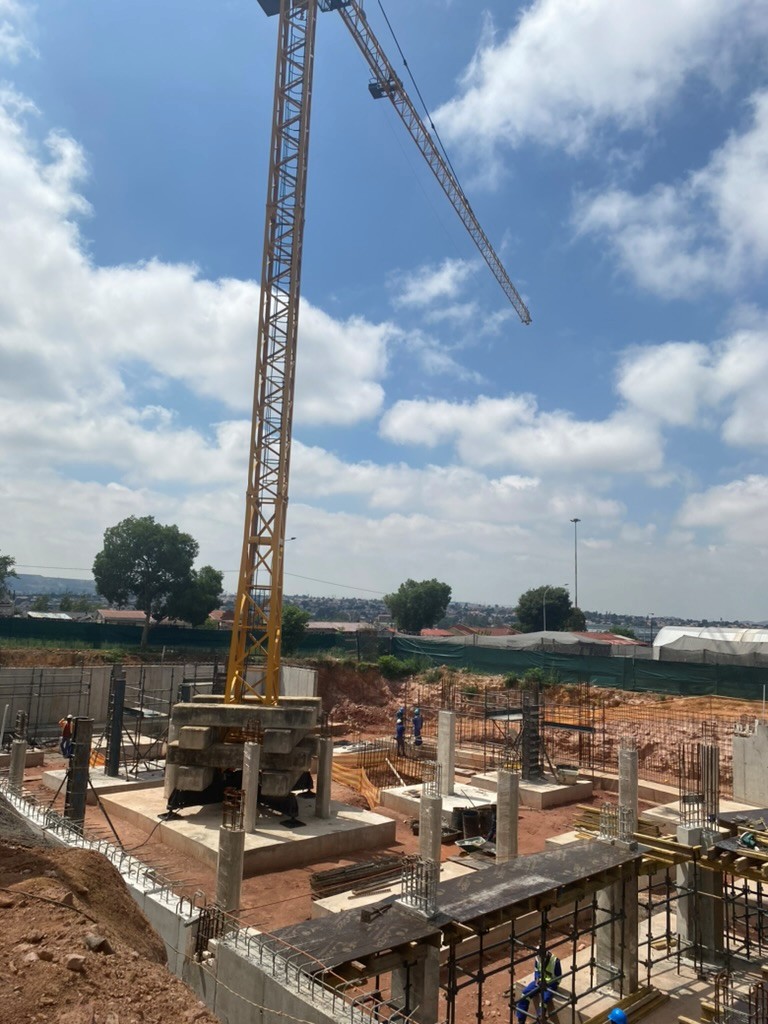

Lessons Learned from Challenging Projects
Identifying Key Lessons
Analysing past challenging projects to identify common issues enables us to identify crucial lessons that can guide future initiatives.
Improving Advisory Services
The insights gained from challenging projects significantly enhance the quality of our advisory services for clients, which we implore to our clients to accept and embrace.
Ignorance isn’t bliss
Operating in the private sector doesn’t exempt from the social issues that become risks if not managed.
Demonstrating Measurable Value to Clients
Commitment to Value
Our dedication to delivering measurable value ensures that clients see real benefits from our services.
Tangible Benefits
We focus on translating our services into tangible benefits that clients can easily understand and appreciate.
Return on Investment
Our goal is to maximize return on investment for clients, demonstrating how our services contribute to their success.